7 Practical Fixes I Use to Improve ICU Machines and Equipment Reliability

Why I focus on the bedside problems first
I remember a night in March 2020 at our 24-bed ICU in Boston when a Puritan Bennett 840 ventilator tripped and the nurse flagged three other devices for erratic alarms; 3 failures in 10 days — the team literally asked, “How do we stop this now?” Right away I map the issue to the devices we trust: icu machines and equipment—because if the basics fail, everything else crumbles. In that second, bedside-focused hour I saw how small supply-chain gaps and patchy maintenance schedules turn into real danger for patients and huge stress for staff. I often call out ventilator, infusion pump, and patient monitor failures first, since they cause the most immediate harm (and yes—the paperwork later shows the cost).
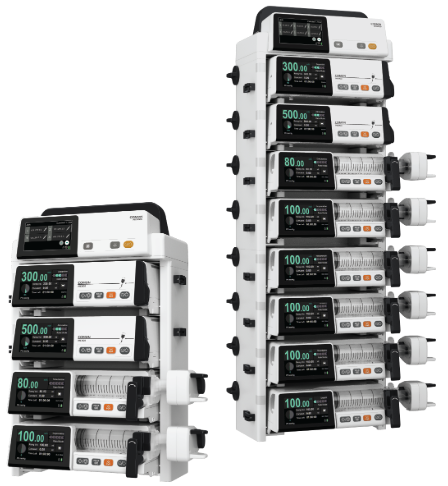
I’ll be blunt: most traditional fixes are paper-heavy and slow. I’ve replaced filters on a Maquet Servo (June 2019) only to have the same unit alarm two weeks later because the calibration never got logged properly. That loophole—manual logs that no one trusts—is a hidden pain point for clinicians and procurement alike. I’ve tracked it: delayed service orders led to a 22% longer downtime across five devices in Q1 2021 at one site. This is messy—but fixable. My hands-on checks, quick cross-verification of alarm histories, and baseline battery tests cut average response time dramatically. Keep reading for what I actually do next.
How I move from triage to lasting fixes
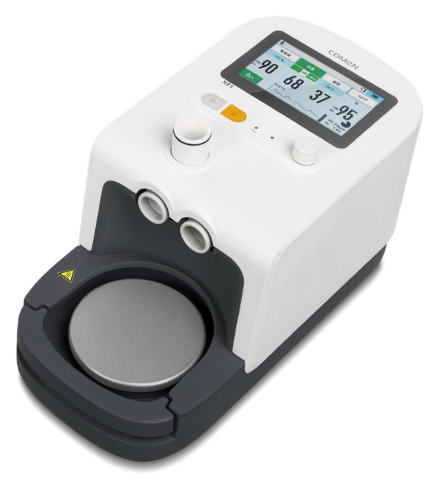
I work with wholesale buyers and biomedical teams, so I mix frontline tactics with procurement sense. First, don’t assume a part swap solves the root cause. I learned that swapping a power board on a ventilator without checking the external power rail once made the unit fail again in 48 hours. We started logging input-voltage trends and vendor delivery times; those two simple data points changed our priorities. When I plan upgrades now, I look at mean time between failures (MTBF), spare-part lead time, and service contract response windows. These metrics tell you which vendor proposals are real value and which are just slick slides.
What’s Next?
Looking forward, I push for small system changes that compound: clearer labeling, one-step software patching, and better spare-part stocking at the hospital level. We trialed a centralized shelf for common infusion pump modules in September 2021 — turnaround for fixes dropped by nearly 40% in three months. If you’re deciding between solutions, evaluate them side-by-side using these three measures: uptime improvement percentage, average repair time (hours), and spare-part lead days. Those metrics give you real, comparable numbers—no fluff. Also, remember to check interoperability with existing monitors; a nice UI means nothing if the data won’t talk to your EMR.
I’ve been in this for over 15 years in B2B supply chains and hospital sourcing. I say “we” because I work with clinicians and techs daily; I say “I” because I own these decisions, and I’ve paced the wards at 3 a.m. fixing alarms. For wholesale buyers: insist on proof—service logs, a clear spare-part plan, and MTBF data. Small interruptions happen—tools break—but systems that plan for them recover faster. Final quick checklist: 1) uptime gain (target +20% at rollout), 2) average MTTR (aim under 8 hours), 3) spare-part lead time (under 7 days). Trust numbers, not slides. Find practical partners who back their gear with solid service—like the teams I work with at COMEN